Era One · 1776–1820
The Founding
From the Declaration of Independence to the dawn of the 19th century — a small band of revolutionaries invented a nation from scratch, wrote the documents that still govern us, and set the experiment in motion.
1776 — 1820 · 44 Years That Changed the World
Key Events
1776
Declaration of Independence
On July 4, 1776, the Continental Congress adopted Thomas Jefferson's Declaration of Independence, severing ties with Britain and asserting that all men are created equal with unalienable rights to life, liberty, and the pursuit of happiness. The words were radical for their time — and remain aspirational today.
Foundational Document
1781–1783
Victory in the Revolutionary War
The Battle of Yorktown in October 1781 effectively ended the Revolutionary War, with Cornwallis's surrender to Washington. The Treaty of Paris in 1783 formally recognized American independence, granting the new nation territory extending to the Mississippi River.
Military Triumph
1787
The Constitutional Convention
Fifty-five delegates gathered in Philadelphia in secret to draft a new framework of government. The Constitution they produced — with its separation of powers, checks and balances, and federal structure — remains the oldest written national constitution in operation. James Madison's meticulous notes are our primary record of the deliberations.
Constitutional Moment
1789
Washington Inaugurated — Presidency Defined
George Washington's inauguration on April 30, 1789, launched the executive branch. Every decision he made set a precedent — cabinet government, the two-term tradition, the dignified but accessible style of the office. He was, as Jefferson said, "in every sense of the word, a wise, a good, and a great man."
Presidential Precedent
1791
Bill of Rights Ratified
The first ten amendments to the Constitution — guaranteeing freedom of speech, religion, press, assembly, and protection from unreasonable searches — were ratified in 1791. Demanded by Anti-Federalists as the price of ratification, the Bill of Rights remains the foundation of American civil liberties.
Civil Liberties
1803
Louisiana Purchase
Jefferson purchased 828,000 square miles from Napoleon's France for $15 million — roughly 3 cents per acre — doubling the size of the United States overnight. Jefferson privately doubted his constitutional authority to make the purchase but acted anyway. Lewis and Clark were dispatched to explore the vast new territory.
Territorial Expansion
Key Figures
"We hold these truths to be self-evident, that all men are created equal, that they are endowed by their Creator with certain unalienable Rights, that among these are Life, Liberty and the pursuit of Happiness."
Thomas Jefferson · Declaration of Independence · July 4, 1776
Presidents of the Era
Legacy & Impact
The Founding Era produced the most consequential documents in American history — the Declaration, the Constitution, and the Bill of Rights — documents that have governed the world's oldest constitutional democracy for nearly 250 years. The founders' debates about federal power versus states' rights, individual liberty versus collective welfare, and the role of government in economic life echo in every political argument Americans have today.
The era's defining contradiction — that liberty-proclaiming slaveholders wrote documents asserting all men's equality — set in motion a tension that would take a civil war and two centuries of struggle to begin resolving. The Founding was simultaneously the greatest political achievement in modern history and the original American hypocrisy.
Books on This Era
Founding Brothers
Joseph J. Ellis, 2000
Six dramatic moments in the early republic. Pulitzer Prize winner — the perfect entry point.
View on Amazon →
Alexander Hamilton
Ron Chernow, 2004
The biography that changed how we see the Founders. Basis for the musical.
View on Amazon →
John Adams
David McCullough, 2001
McCullough's masterful portrait of the Founder who held it all together.
View on Amazon →
The Quartet
Joseph J. Ellis, 2015
How four Founders — Washington, Hamilton, Madison, Jay — saved the fragile republic.
View on Amazon →
★ Affiliate links support The Grand Experiment at no cost to you
Era Two · 1820–1860
Age of Expansion
A young nation stretched its borders from sea to sea — through purchase, war, and forced removal. The era of Manifest Destiny, the Trail of Tears, and the gathering storm over slavery that would soon split the Union.
1820 — 1860 · Four Decades of Growth and Growing Tension
Key Events
1820
Missouri Compromise
With Missouri's application for statehood threatening to upset the balance between free and slave states, Congress crafted a compromise admitting Missouri as a slave state and Maine as a free state, while prohibiting slavery north of the 36°30' parallel. It papered over the crisis for a generation.
Sectional Crisis1830
Indian Removal Act
President Andrew Jackson signed the Indian Removal Act, authorizing the forced relocation of Native American tribes from the southeastern United States to territory west of the Mississippi. The resulting Trail of Tears killed thousands of Cherokee, Choctaw, Creek, and Chickasaw people in a forced march through winter conditions.
Humanitarian Catastrophe1845
Manifest Destiny & Texas Annexation
The ideology of Manifest Destiny — that American expansion from coast to coast was divinely ordained — drove the annexation of Texas in 1845, the settlement of the Oregon boundary with Britain, and the Mexican-American War. By 1848, the United States had acquired a third of its current territory.
Territorial Expansion1846–1848
Mexican-American War
President Polk's war with Mexico — provoked by a disputed border incident — resulted in the Treaty of Guadalupe Hidalgo, in which Mexico ceded California, Nevada, Utah, most of Arizona, and parts of Colorado and New Mexico. A young congressman named Abraham Lincoln challenged the war's justification on the House floor.
Military Expansion1850
Compromise of 1850 & Fugitive Slave Act
Senator Henry Clay's omnibus compromise — passed after Clay's death by Stephen Douglas — admitted California as a free state but included a draconian Fugitive Slave Act requiring Northerners to assist in the capture of escaped slaves. It infuriated abolitionists and intensified sectional tensions rather than resolving them.
Sectional Crisis1854
Kansas-Nebraska Act & Bleeding Kansas
Stephen Douglas's Kansas-Nebraska Act repealed the Missouri Compromise and allowed settlers in new territories to decide the slavery question through "popular sovereignty." The result was a guerrilla war in Kansas between pro- and anti-slavery settlers, a preview of the coming Civil War, and the founding of the Republican Party.
Political Rupture
Key Figures
"A house divided against itself cannot stand. I believe this government cannot endure, permanently, half slave and half free."
Abraham Lincoln · House Divided Speech · June 16, 1858
Presidents of the Era
Legacy & Impact
The Age of Expansion achieved its geographic goals spectacularly — the United States reached the Pacific, acquired vast natural resources, and set the stage for industrial dominance. But the era's methods — the brutal dispossession of Native peoples, a war of territorial aggression against Mexico, and the perpetuation of slavery — cast long shadows over those achievements.
Every compromise on slavery during this era delayed but deepened the eventual reckoning. By 1860, the nation's political system had exhausted its capacity to paper over the contradiction at its core. The Civil War was not an accident — it was the inevitable consequence of forty years of evasion.
Books on This Era
American Lion
Jon Meacham, 2008
Jackson's transformative presidency. Pulitzer Prize winner.
View on Amazon →
A Country of Vast Designs
Robert W. Merry, 2009
How Polk fulfilled Manifest Destiny and changed America's geography forever.
View on Amazon →
The Warmth of Other Suns
Isabel Wilkerson, 2010
The Great Migration — six million Black Americans who fled the Jim Crow South. A masterpiece.
View on Amazon →
Uncle Tom's Cabin
Harriet Beecher Stowe, 1852
The novel Lincoln called a cause of the Civil War — still powerful.
View on Amazon →
★ Affiliate links support The Grand Experiment at no cost to you
Era Three · 1861–1877
The Civil War
The bloodiest conflict in American history — 620,000 dead — resolved the question of slavery and union by force. The war remade the nation. What Reconstruction did with that remaking would determine whether the promise of emancipation would be kept.
1861 — 1877 · War, Emancipation, and the Broken Promise of Reconstruction
Key Events
1861
Fort Sumter — The War Begins
Confederate forces fired on the Union garrison at Fort Sumter, South Carolina, on April 12, 1861, beginning the Civil War. Within weeks, eleven Southern states had seceded to form the Confederate States of America. Lincoln called for 75,000 volunteers. Nobody knew the war would last four years and kill more Americans than all other wars combined.
War Begins1863
Emancipation Proclamation
On January 1, 1863, Lincoln's Emancipation Proclamation declared enslaved people in Confederate states "forever free." It was a war measure — it applied only to rebel states — but its moral power was transformative. It reframed the war as a fight for human freedom, discouraged European recognition of the Confederacy, and enabled the enlistment of Black soldiers.
Emancipation1863
Battle of Gettysburg & The Address
The three-day Battle of Gettysburg in July 1863 was the war's bloodiest, killing or wounding 51,000 men. At the cemetery dedication that November, Lincoln delivered the Gettysburg Address — 272 words that redefined the war's meaning and the nation's founding promise. "A new birth of freedom."
Decisive Battle1865
Surrender at Appomattox & Lincoln's Assassination
Lee's surrender to Grant at Appomattox Court House on April 9, 1865, effectively ended the Civil War. Five days later, Lincoln was shot by John Wilkes Booth at Ford's Theatre and died the next morning. His death ended the best chance for a generous Reconstruction and left the nation's fate to Andrew Johnson.
War Ends; Tragedy Strikes1865–1870
Reconstruction Amendments
The 13th Amendment abolished slavery (1865), the 14th established birthright citizenship and equal protection (1868), and the 15th guaranteed Black men the right to vote (1870). Together they represented the most radical transformation of constitutional law in American history — a transformation that would be systematically undermined in the years that followed.
Constitutional Revolution1877
Compromise of 1877 — Reconstruction's End
The disputed 1876 election was resolved by the Compromise of 1877: Republicans kept the White House but withdrew federal troops from the South, ending Reconstruction. Without federal protection, Black Southerners faced a century of Jim Crow — disenfranchisement, segregation, and terror. The promise of the Reconstruction amendments would go largely unfulfilled for nearly ninety years.
Reconstruction Betrayed
Key Figures
"With malice toward none, with charity for all, with firmness in the right as God gives us to see the right, let us strive on to finish the work we are in — to bind up the nation's wounds."
Abraham Lincoln · Second Inaugural Address · March 4, 1865
Presidents of the Era
Legacy & Impact
The Civil War is the central event in American history — the moment the nation nearly destroyed itself over the contradiction embedded in its founding. Its outcome settled two questions permanently: the Union was indissoluble, and slavery was abolished. Its 620,000 dead make it the bloodiest conflict in American history by any measure.
But Reconstruction's failure meant that the war's moral promise went largely unfulfilled. The 14th and 15th Amendments were written into the Constitution but not into reality for nearly a century. The Civil Rights Movement of the 1950s and 1960s was, in a fundamental sense, the unfinished business of Reconstruction — a second attempt to honor the promise of 1865.
Books on This Era
Team of Rivals
Doris Kearns Goodwin, 2005
How Lincoln built his cabinet from enemies. The gold standard of Civil War biography.
View on Amazon →
The Civil War: A Narrative
Shelby Foote, 1958-74
Three volumes of the most immersive Civil War history ever written.
View on Amazon →
Grant
Ron Chernow, 2017
The monumental rehabilitation of a misunderstood president. Pulitzer Prize winner.
View on Amazon →
Reconstruction
Eric Foner, 1988
The definitive history of Reconstruction's radical ambition and tragic failure.
View on Amazon →
★ Affiliate links support The Grand Experiment at no cost to you
Era Four · 1877–1900
The Gilded Age
America industrialized at breathtaking speed — railroads, steel, oil, and finance built vast fortunes and transformed the nation. Beneath the glittering surface: brutal labor conditions, rampant corruption, and the systematic destruction of Black rights in the South.
1877 — 1900 · Industry, Inequality, and the Robber Barons
Key Events
1879
Edison's Light Bulb & the Second Industrial Revolution
Thomas Edison's practical incandescent light bulb in 1879 was one of dozens of transformative innovations — the telephone, the railroad network, steel production, and oil refining — that made the United States the world's largest economy by 1890. The speed of industrialization had no precedent in human history.
Industrial Revolution1882
Chinese Exclusion Act
The Chinese Exclusion Act of 1882 was the first — and for decades, only — federal law to restrict immigration based on race and nationality. It barred Chinese laborers from entering the United States and denied citizenship to Chinese already here. It remained law until 1943 and stands as a dark chapter in the history of American immigration.
Immigration Restriction1886
Haymarket Affair & the Labor Movement
A bomb thrown at police during a labor rally in Chicago's Haymarket Square killed eight officers. The subsequent trial and executions of labor organizers — on dubious evidence — became a rallying cry for the labor movement worldwide. The eight-hour workday, safer conditions, and the right to organize were still a generation away.
Labor Rights1890
Sherman Antitrust Act
Congress passed the Sherman Antitrust Act to combat the monopolistic "trusts" — Standard Oil, U.S. Steel, the railroad combines — that dominated American industry. The act was largely toothless until Theodore Roosevelt used it aggressively in the next decade, but it established the legal framework for modern antitrust regulation.
Economic Regulation1896
Plessy v. Ferguson — Separate But Equal
The Supreme Court's Plessy v. Ferguson ruling upheld Louisiana's Separate Car Act, establishing the "separate but equal" doctrine that would legitimize racial segregation for the next 58 years. The lone dissenter, Justice John Marshall Harlan, wrote that "our Constitution is color-blind." He was right — but the Court wouldn't agree until 1954.
Civil Rights Setback
Key Figures
"The man who dies rich dies disgraced."
Andrew Carnegie · The Gospel of Wealth · 1889
Presidents of the Era
Legacy & Impact
The Gilded Age — Mark Twain's term, suggesting glittering surface over corrupt substance — built the industrial foundation of modern America. The railroads, the steel industry, the electrical grid, and the financial markets created in this era still underpin American prosperity. The immigration wave of this period also transformed the ethnic and cultural fabric of the nation permanently.
The era's concentrated wealth and political corruption gave rise to the Progressive movement that followed. The robber barons' monopolies would be broken by trust-busters; their labor practices would be regulated; their political influence would be checked by democratic reforms. The Gilded Age made the Progressive Era necessary.
Books on This Era
The Gilded Age
Mark Twain and Charles Dudley Warner, 1873
The novel that named the era — satire that still bites.
View on Amazon →
Carnegie
David Nasaw, 2006
The definitive biography of the steel magnate who built and gave away a fortune.
View on Amazon →
The Jungle
Upton Sinclair, 1906
The novel that changed American food safety law. Still essential.
View on Amazon →
Destiny of the Republic
Candice Millard, 2011
Garfield's assassination — one of the finest presidential histories written.
View on Amazon →
★ Affiliate links support The Grand Experiment at no cost to you
Era Five · 1900–1929
The Progressive Era
America reformed itself — busting trusts, regulating food and drugs, winning women's suffrage, and entering the world stage through World War I. The era ended with Prohibition and the roaring prosperity that preceded the Great Crash.
1900 — 1929 · Reform, War, and the Roaring Twenties
Key Events
1906
The Jungle & the Pure Food and Drug Act
Upton Sinclair's novel exposing the horrific conditions of Chicago's meatpacking industry shocked the nation and prompted Congress to pass the Pure Food and Drug Act and the Federal Meat Inspection Act. Roosevelt's trust-busting and conservation efforts ran in parallel. The era proved that government could curb corporate excess when public outrage demanded it.
Consumer Protection1913
The Federal Reserve & Income Tax
The Federal Reserve Act created the central banking system that still manages American monetary policy. The 16th Amendment established the federal income tax — the government's primary funding mechanism. Both were progressive reforms that transformed the relationship between the federal government and the economy.
Economic Reform1917–1918
World War I & America Enters the World Stage
After three years of neutrality, Wilson asked Congress to declare war in April 1917. Two million American soldiers tipped the balance on the Western Front. Wilson's Fourteen Points shaped the postwar settlement. But the Senate rejected the League of Nations, and America retreated into isolationism — a fateful decision that left the postwar order without a guarantor.
World War1920
Women's Suffrage — 19th Amendment
The 19th Amendment, ratified in August 1920, granted women the right to vote — the culmination of a 72-year struggle dating to the Seneca Falls Convention of 1848. It was the largest expansion of the American electorate in history, doubling the number of potential voters overnight.
Civil Rights Victory1920
Prohibition — The Noble Experiment
The 18th Amendment banned the manufacture and sale of alcohol. Prohibition accelerated organized crime, corrupted law enforcement, and proved largely unenforceable — yet it also reduced alcohol consumption and domestic violence measurably. It was repealed in 1933, the only constitutional amendment ever repealed.
Social Reform1929
The Great Crash
The stock market crash of October 1929 — Black Thursday and Black Tuesday — wiped out billions in wealth and triggered the Great Depression. A decade of speculative excess, easy credit, and unchecked financial risk collapsed in weeks. The Depression that followed would kill the Gilded Age ethos of laissez-faire capitalism permanently.
Economic Catastrophe
Key Figures
"It is not the critic who counts; not the man who points out how the strong man stumbles. The credit belongs to the man who is actually in the arena."
Theodore Roosevelt · "Citizenship in a Republic" · Paris · April 23, 1910
Presidents of the Era
Legacy & Impact
The Progressive Era established the basic framework of regulated capitalism that still governs American economic life — antitrust law, food and drug safety, the Federal Reserve, the income tax, and labor protections. These were not radical departures from capitalism but attempts to make it sustainable by correcting its worst abuses.
Women's suffrage and the direct election of senators democratized the political system. World War I thrust America into global leadership — a role it accepted, then rejected with isolationism, and finally embraced permanently after Pearl Harbor. The era's unresolved tension between reform and reaction set the stage for both the New Deal and the conservative backlash against it.
Books on This Era
The Rise of Theodore Roosevelt
Edmund Morris, 1979
Pulitzer Prize winner — the finest first volume of any presidential biography.
View on Amazon →
The Bully Pulpit
Doris Kearns Goodwin, 2013
Roosevelt, Taft, and the muckrakers who changed America.
View on Amazon →
The Woman's Hour
Elaine Weiss, 2018
The dramatic final battle for women's suffrage — gripping narrative history.
View on Amazon →
The Great Gatsby
F. Scott Fitzgerald, 1925
The literary document of the era's glittering surface and moral rot.
View on Amazon →
★ Affiliate links support The Grand Experiment at no cost to you
Era Six · 1929–1953
Mid-Century America
The Great Depression broke the old order. The New Deal rebuilt it on new terms. Then World War II made America the most powerful nation in human history — and the atomic bomb made that power both absolute and terrifying.
1929 — 1953 · Depression, New Deal, World War, and the Atomic Age
Key Events
1933
The New Deal
FDR's New Deal was the most sweeping legislative program in American history — the CCC, WPA, PWA, Social Security, the SEC, the FDIC, and the Wagner Act — all designed to provide relief, recovery, and reform. It didn't end the Depression (WWII did) but it transformed the federal government's relationship with its citizens permanently.
Economic Revolution1941
Pearl Harbor — America Enters WWII
Japan's surprise attack on Pearl Harbor on December 7, 1941 — killing 2,403 Americans — brought the United States into World War II. The mobilization that followed was unprecedented: 16 million Americans served, the economy converted entirely to war production, and women entered the workforce in transformative numbers. The Arsenal of Democracy delivered the victory.
World War1944
D-Day — The Normandy Invasion
Operation Overlord — the Allied invasion of Normandy on June 6, 1944 — was the largest seaborne invasion in history: 156,000 troops, 5,000 ships, 13,000 aircraft. The liberation of Western Europe from Nazi occupation followed. Within a year, Germany surrendered unconditionally.
Military Turning Point1945
Hiroshima, Nagasaki & the Atomic Age
President Truman's decision to drop atomic bombs on Hiroshima (August 6) and Nagasaki (August 9) killed between 130,000 and 226,000 people and ended the Pacific War. It also inaugurated the nuclear age — a permanent condition of potential annihilation that restructured international relations, military strategy, and human consciousness.
Atomic Age Begins1947
The Marshall Plan & the Truman Doctrine
The Marshall Plan invested $13 billion in rebuilding Western Europe, preventing economic collapse and the political conditions that breed extremism. The Truman Doctrine pledged American support for nations resisting communist takeover. Together they defined America's Cold War strategy: containment, backed by economic and military power.
Cold War Begins1948
Desegregation of the Military
Truman's Executive Order 9981 desegregated the United States military — a landmark civil rights act accomplished by presidential order without Congress. It was the opening salvo of the civil rights movement's postwar advance, demonstrating what executive power could achieve when wielded with moral purpose.
Civil Rights
Key Figures
"The only thing we have to fear is fear itself — nameless, unreasoning, unjustified terror which paralyzes needed efforts to convert retreat into advance."
Franklin D. Roosevelt · First Inaugural Address · March 4, 1933
Presidents of the Era
Legacy & Impact
The mid-century era made America the indispensable nation. The New Deal built the modern American state and established the principle that the federal government has a responsibility for citizens' economic security. World War II demonstrated American industrial and military might on a scale the world had never seen. The Marshall Plan and Truman Doctrine defined a global role America has never fully relinquished.
The atomic bomb's shadow falls over everything that follows. The creation of weapons capable of ending civilization changed the nature of war, international relations, and human civilization itself. Every subsequent foreign policy decision — Korea, Vietnam, the Cold War, nuclear arms negotiations — was made in the awareness that the alternative to diplomacy was annihilation.
Books on This Era
FDR
Jean Edward Smith, 2007
The best single-volume Roosevelt biography — comprehensive and brilliantly written.
View on Amazon →
Truman
David McCullough, 1992
McCullough's monumental Pulitzer Prize-winning biography. Essential.
View on Amazon →
The Greatest Generation
Tom Brokaw, 1998
The Americans who survived the Depression and won WWII — in their own words.
View on Amazon →
No Ordinary Time
Doris Kearns Goodwin, 1994
FDR and Eleanor on the home front during WWII. Pulitzer Prize winner.
View on Amazon →
★ Affiliate links support The Grand Experiment at no cost to you
Era Seven · 1953–1991
The Cold War
Four decades of ideological struggle against the Soviet Union — nuclear brinkmanship, the civil rights revolution, Vietnam, Watergate, and finally the Wall coming down. America was remade by all of it.
1953 — 1991 · The Long Struggle Between Two Worlds
Key Events
1954
Brown v. Board of Education
The Supreme Court's unanimous ruling in Brown v. Board of Education declared racially segregated public schools unconstitutional, overturning Plessy v. Ferguson's "separate but equal" doctrine. Chief Justice Earl Warren's opinion, wrote that "separate educational facilities are inherently unequal." The decision ignited the modern civil rights movement.
Civil Rights Revolution1962
Cuban Missile Crisis
For 13 days in October 1962, the world stood on the brink of nuclear war as Kennedy confronted Soviet missiles in Cuba. Kennedy's choice of naval blockade over military strike, and his secret back-channel diplomacy with Khrushchev, resolved the crisis. It was the closest humanity has come to nuclear war and the defining crisis of the Cold War era.
Nuclear Brinkmanship1963–1968
The Civil Rights Movement's Peak Years
The March on Washington (1963), the Civil Rights Act (1964), the Selma marches and Voting Rights Act (1965), and the Fair Housing Act (1968) represented the most significant expansion of American civil rights since Reconstruction. Dr. King's assassination in April 1968 marked the end of the movement's nonviolent peak.
Civil Rights1965–1975
Vietnam War
America's longest war until Afghanistan — 58,000 Americans dead, 2-3 million Vietnamese dead, a nation bitterly divided. The war exposed the limits of American military power, shattered trust in government, and transformed American politics. The fall of Saigon in 1975 ended the last chapter of a catastrophic miscalculation.
War and Division1972–1974
Watergate
The Watergate break-in and cover-up consumed Nixon's presidency and ended it. For the first time in American history, a president resigned. The scandal revealed the imperial presidency's dangers — secret wars, illegal surveillance, and contempt for the rule of law. "I am not a crook," Nixon said. The tapes proved otherwise.
Constitutional Crisis1989–1991
The Cold War Ends — The Wall Falls
The fall of the Berlin Wall on November 9, 1989, was the most dramatic moment in the peaceful revolution that ended the Cold War. Within two years, the Soviet Union dissolved — 15 new nations emerged from its ruins. The United States stood as the world's sole superpower. The "unipolar moment" had arrived.
Cold War Ends
Key Figures
"I have a dream that my four little children will one day live in a nation where they will not be judged by the color of their skin but by the content of their character."
Dr. Martin Luther King Jr. · March on Washington · August 28, 1963
Presidents of the Era
Legacy & Impact
The Cold War remade America domestically as much as internationally. The civil rights revolution it catalyzed — partly driven by the hypocrisy of preaching democracy abroad while denying it to Black Americans at home — was the most significant domestic transformation since Reconstruction. The Great Society programs built on the New Deal framework. The moon landing was the era's greatest triumph of collective ambition.
Vietnam and Watergate broke the postwar consensus about government and authority in ways that still shape American politics. Trust in institutions — government, media, organized religion — peaked in the early 1960s and has never fully recovered. The Cold War's end left America dominant but without the clarity of purpose that the Soviet threat had provided.
Books on This Era
The Cold War: A New History
John Lewis Gaddis, 2005
The master Cold War historian distills decades of scholarship into one elegant volume.
View on Amazon →
An Unfinished Life
Robert Dallek, 2003
The most balanced and comprehensive JFK biography.
View on Amazon →
The Passage of Power
Robert A. Caro, 2012
Volume 4 of Caro's LBJ biography — from Kennedy's assassination through the Great Society.
View on Amazon →
The Looming Tower
Lawrence Wright, 2006
How al-Qaeda built toward 9/11. Pulitzer Prize winner.
View on Amazon →
★ Affiliate links support The Grand Experiment at no cost to you
Era Eight · 1991–Today
The Modern Era
From the unipolar moment to the age of terror, financial crisis, and polarization — America navigated a world without the clarity of the Cold War and struggled with questions about democracy, inequality, and national identity that remain unresolved.
1991 — Today · The Unresolved Present
Key Events
1991
Gulf War & the "New World Order"
The Gulf War — a 34-nation coalition liberating Kuwait from Iraqi occupation in 100 hours of ground combat — seemed to validate the promise of the post-Cold War order. Bush's "new world order" speech articulated a vision of collective security and international law. The extraordinary military success concealed how little consensus existed about what came next.
Military Victory1994–2000
The Internet Revolution & Globalization
The commercialization of the internet transformed every aspect of economic and social life — communication, commerce, media, and politics. Globalization restructured supply chains, hollowed out manufacturing communities, and created vast new wealth concentrated at the top. The social and political consequences are still unfolding.
Technological Revolution2001
September 11 — The World Changes
Al-Qaeda's attacks on September 11, 2001 — killing 2,977 people — shattered the post-Cold War sense of security and launched a "War on Terror" that reshaped American foreign policy, civil liberties, and national psychology for a generation. The wars in Afghanistan and Iraq that followed cost trillions of dollars and hundreds of thousands of lives.
Catastrophic Attack2008
Financial Crisis & Obama's Election
The 2008 financial crisis — the worst since the Great Depression — wiped out $10 trillion in household wealth. The TARP bailout rescued the financial system but deepened public anger at institutions. Barack Obama's election as the first Black president in the same year captured both the depth of American crisis and its capacity for renewal.
Economic Crisis & Historic Election2016–2021
Political Polarization & January 6th
Donald Trump's 2016 election reflected and accelerated a polarization that had been building for decades — geographic, cultural, and economic. His refusal to accept the 2020 election results culminated in the January 6, 2021 assault on the Capitol by supporters seeking to prevent certification of Biden's victory. It was the first disruption of the peaceful transfer of power in American history.
Constitutional Crisis2020
COVID-19 Pandemic
The COVID-19 pandemic killed over one million Americans — more than any conflict in American history — and exposed deep fault lines in the country's public health infrastructure, political institutions, and social trust. The pandemic accelerated existing trends: remote work, e-commerce, political polarization, and the fragility of global supply chains.
Global Pandemic
Key Figures
"There is not a liberal America and a conservative America — there is the United States of America. There is not a Black America and a White America and Latino America and Asian America — there's the United States of America."
Barack Obama · Democratic National Convention Keynote · July 27, 2004
Presidents of the Era
Legacy & Impact
The Modern Era is too recent for confident historical judgment, but its outlines are clear: the post-Cold War "unipolar moment" proved shorter than expected; globalization and technological change created enormous wealth while generating enormous inequality and social dislocation; and the political institutions built for a slower, more homogeneous society have struggled to adapt.
The central question of the Modern Era — whether American democracy can sustain itself under the pressures of polarization, inequality, and institutional distrust — remains unanswered. The Grand Experiment is not over. Whether it succeeds depends on choices being made right now, by people who are alive today.
Books on This Era
Why We're Polarized
Ezra Klein, 2020
The most useful book for understanding contemporary American politics.
View on Amazon →
A Promised Land
Barack Obama, 2020
Obama's beautifully written account of his first term — the most literary presidential memoir since Grant.
View on Amazon →
The Looming Tower
Lawrence Wright, 2006
The definitive account of how al-Qaeda built toward September 11. Pulitzer Prize.
View on Amazon →
Upheaval
Jared Diamond, 2019
How nations survive crises — and what that means for modern America.
View on Amazon →
★ Affiliate links support The Grand Experiment at no cost to you


 George Washington (1789–1797)
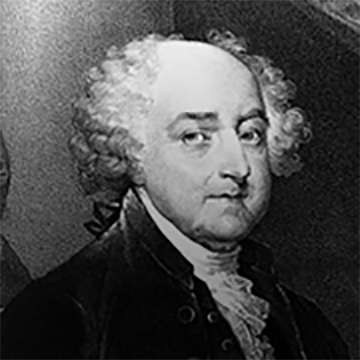 John Adams (1797–1801)
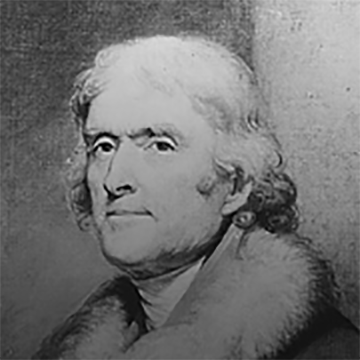 Thomas Jefferson (1801–1809)
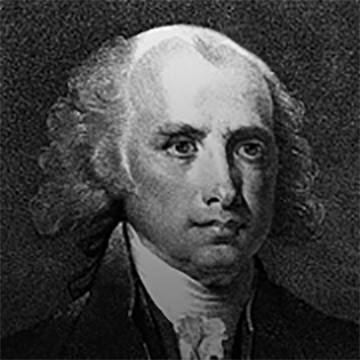 James Madison (1809–1817)
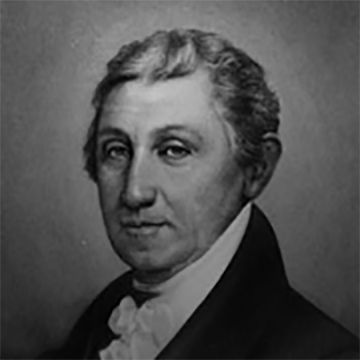 James Monroe (1817–1825)

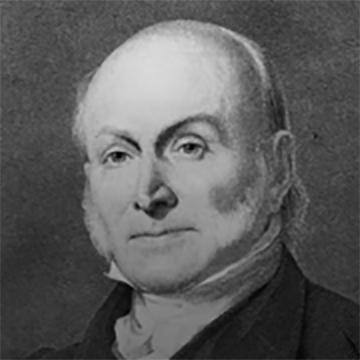 John Quincy Adams (1825–1829)
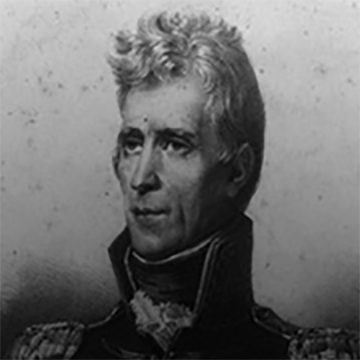 Andrew Jackson (1829–1837)
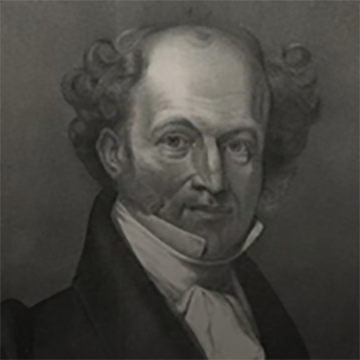 Martin Van Buren (1837–1841)
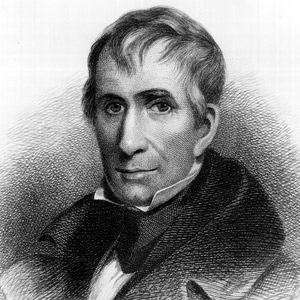 W.H. Harrison (1841)
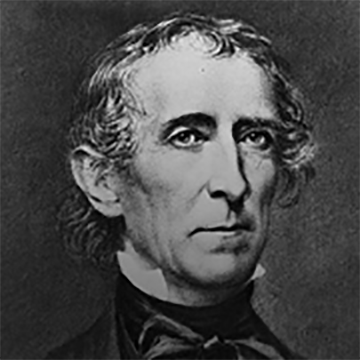 John Tyler (1841–1845)
 James K. Polk (1845–1849)
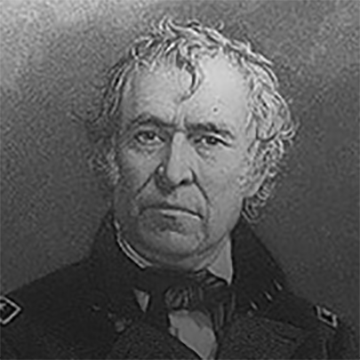 Zachary Taylor (1849–1850)
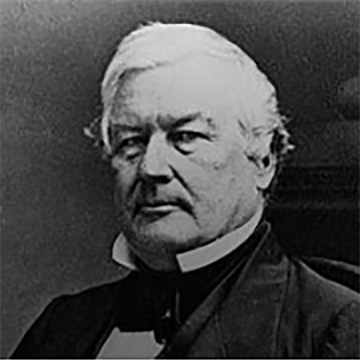 Millard Fillmore (1850–1853)
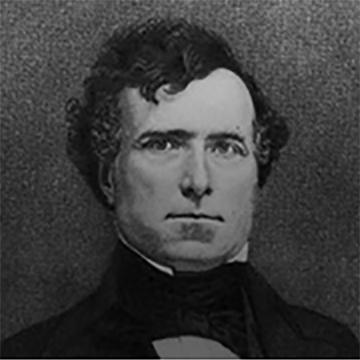 Franklin Pierce (1853–1857)
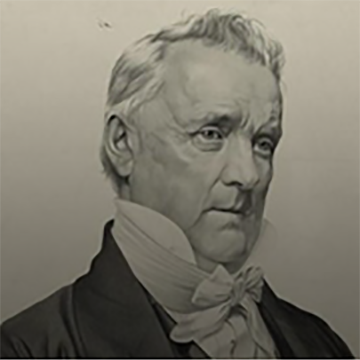 James Buchanan (1857–1861)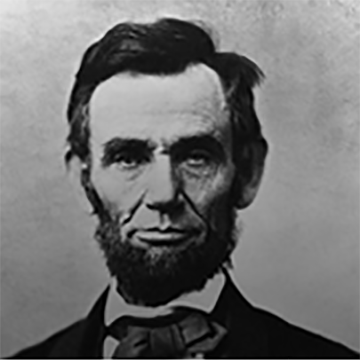
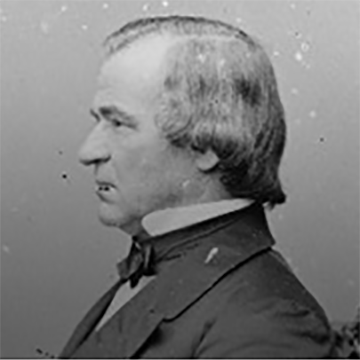


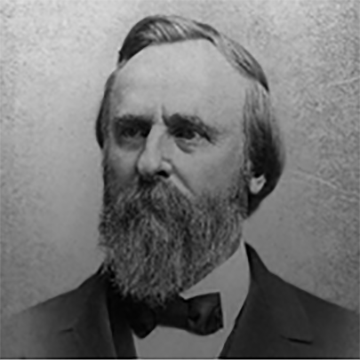 Rutherford B. Hayes (1877–1881)
 James Garfield (1881)
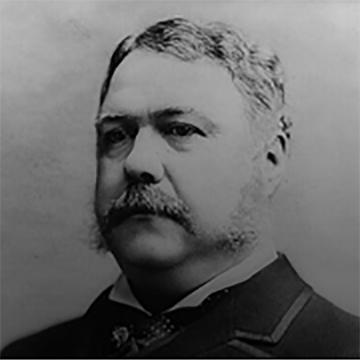 Chester Arthur (1881–1885)
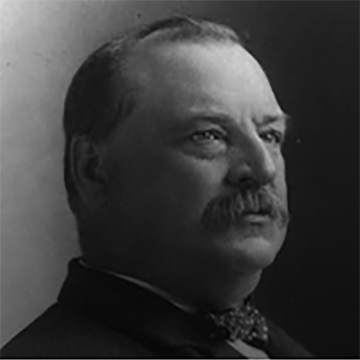 Grover Cleveland (1885–1889)
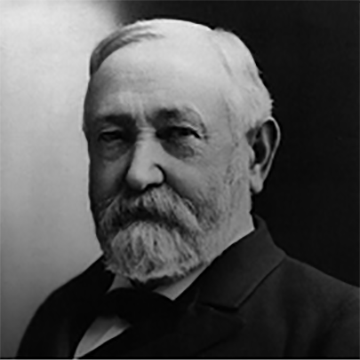 Benjamin Harrison (1889–1893)
 William McKinley (1897–1901)

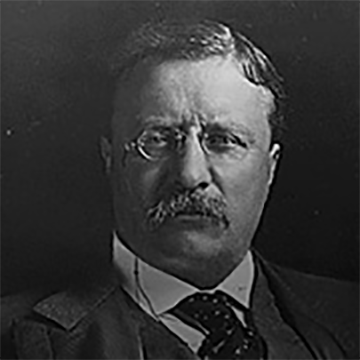 Theodore Roosevelt (1901–1909)
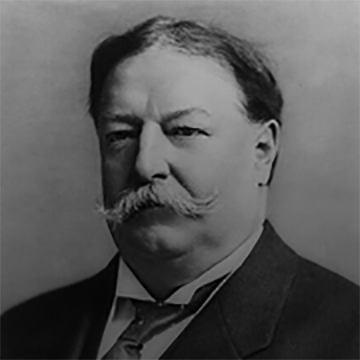 William Howard Taft (1909–1913)
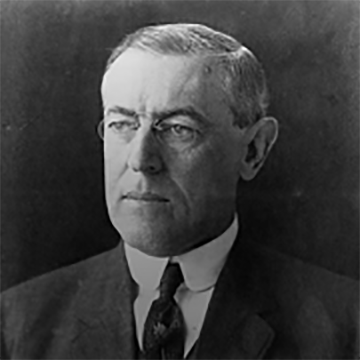 Woodrow Wilson (1913–1921)
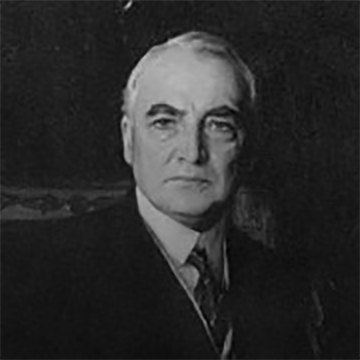 Warren G. Harding (1921–1923)
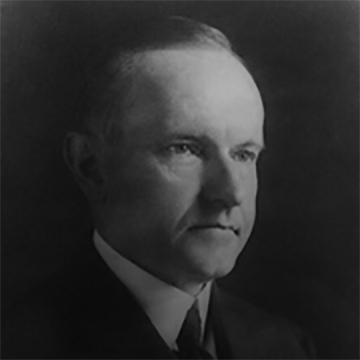 Calvin Coolidge (1923–1929)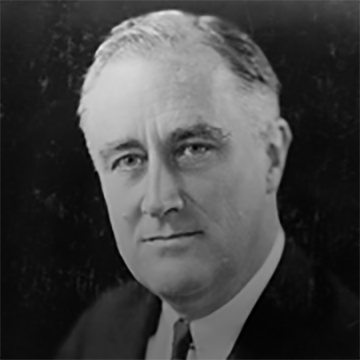


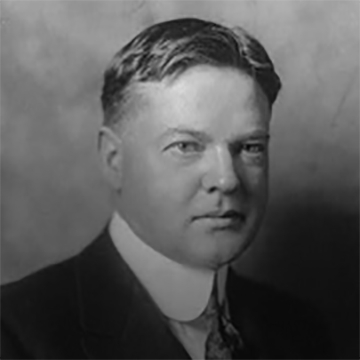


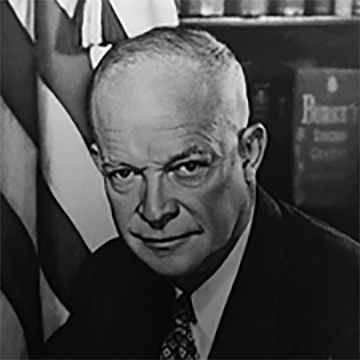 Dwight Eisenhower (1953–1961)
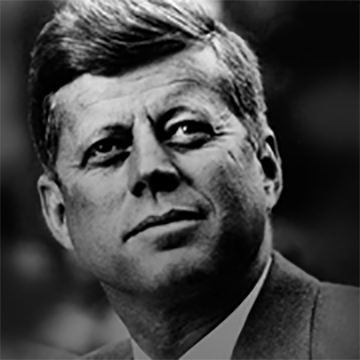 John F. Kennedy (1961–1963)
 Lyndon B. Johnson (1963–1969)
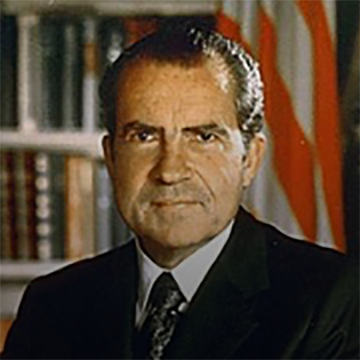 Richard Nixon (1969–1974)
 Gerald Ford (1974–1977)
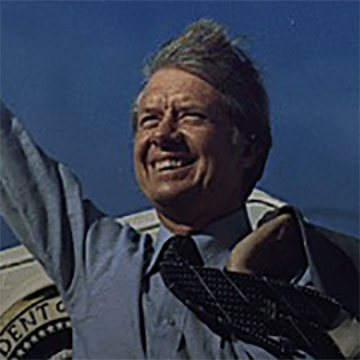 Jimmy Carter (1977–1981)
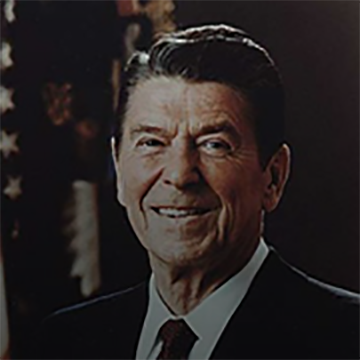 Ronald Reagan (1981–1989)
 George H.W. Bush (1989–1993)
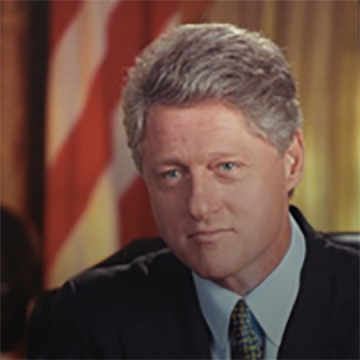 Bill Clinton (1993–2001)
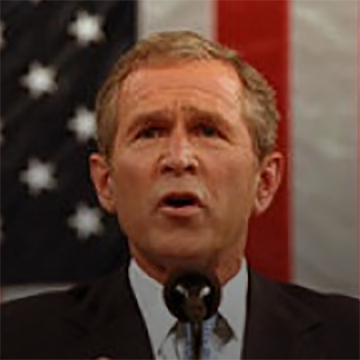 George W. Bush (2001–2009)
 Barack Obama (2009–2017)
 Donald Trump (2017–2021)
 Joe Biden (2021–2025)